
Your cart
There are no more items in your cart
Our guides help you choose and size a submersible borehole pump: estimate the flow rate and pressure according to the number of occupants and watering, determine the water pressure at the tap and calculate the total dynamic head (TDH). Each guide is based on worked examples and links to the immersed pumps, booster sets and pressure tanks in our catalogue.
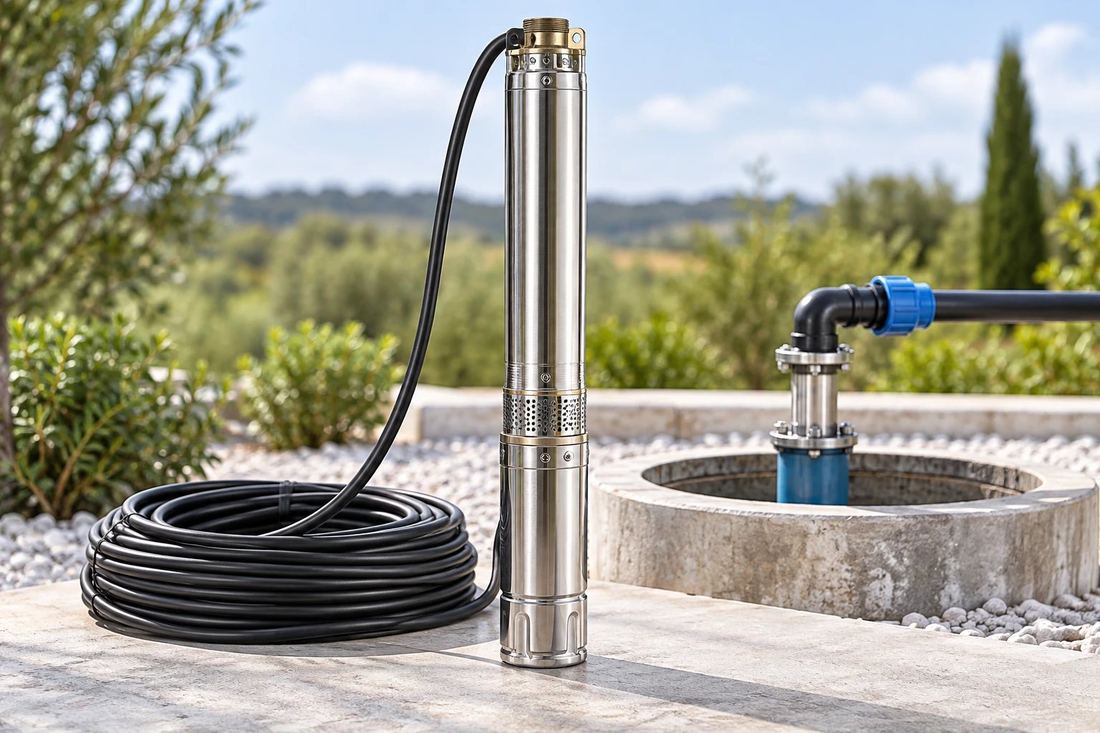
Choosing a submersible borehole pump
Guide to choosing a submersible borehole pump: flow rate by number of occupants and watering, water pressure, TDH calculation and a worked example.
Read the guide →
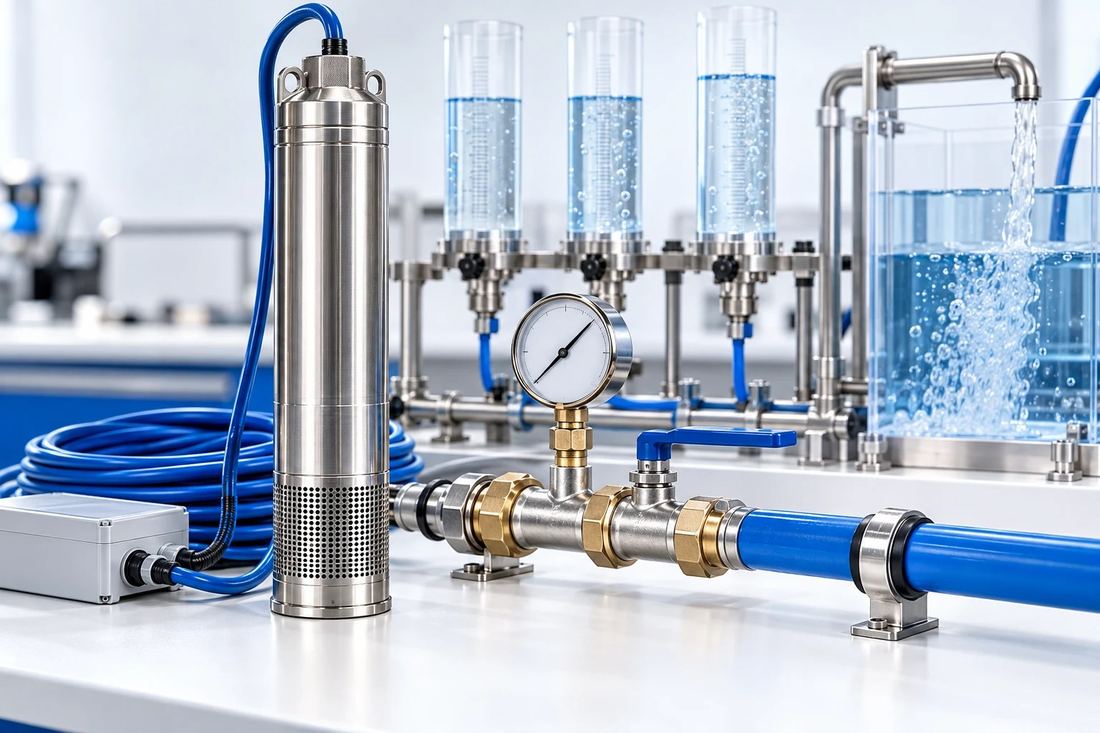
Indicative flow rate / pressure table
Estimate the flow rate (m³/h) and useful pressure (bar) of a submersible borehole pump by number of occupants and watered area. Indicative table and example.
Read the guide →
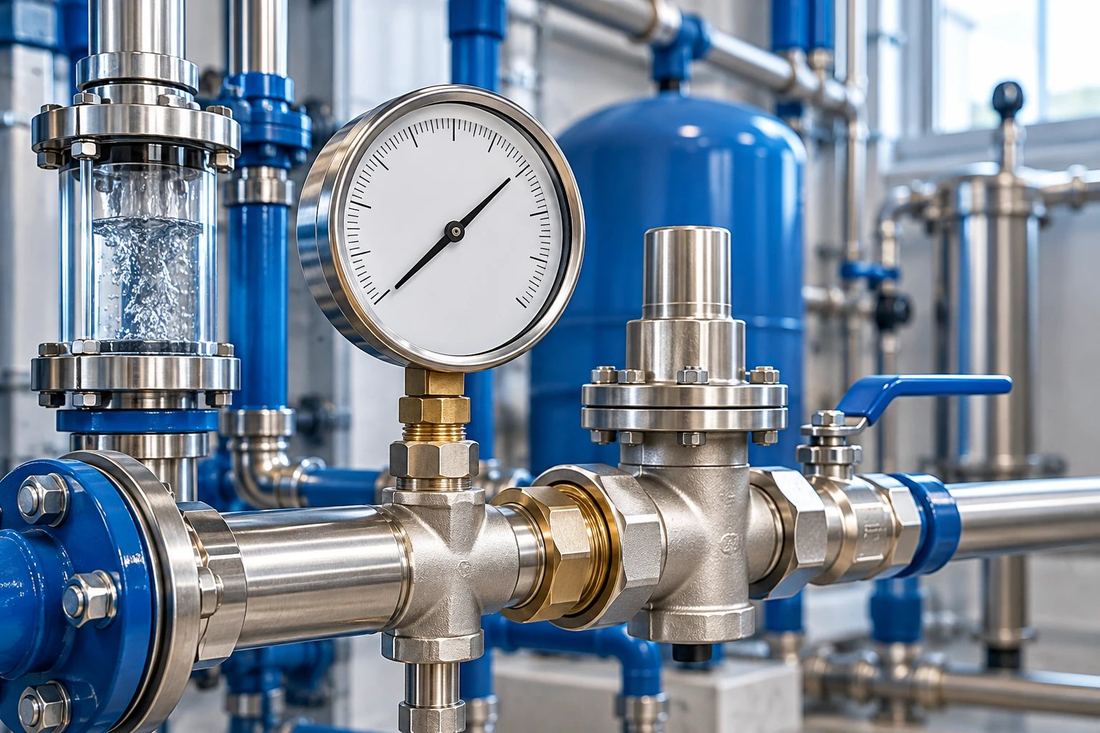
Determining water pressure
How to determine the water pressure to deliver at the tap: bar / metres of water column conversion, useful pressure by use and link with the TDH.
Read the guide →
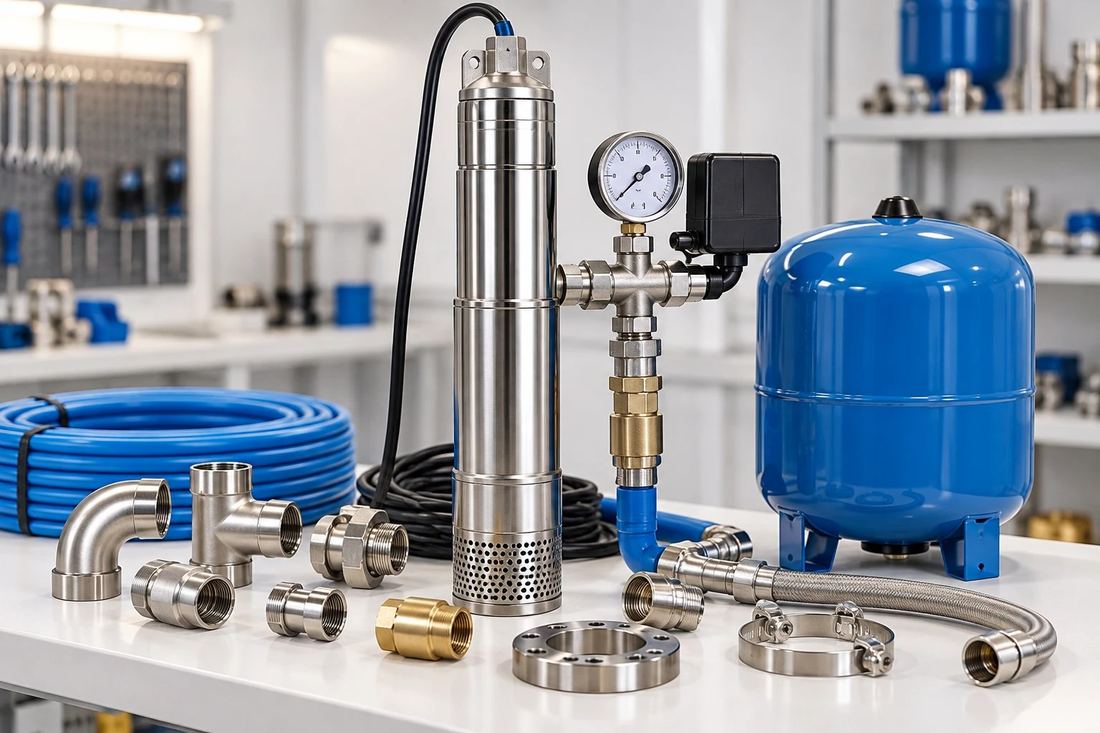
Calculating total dynamic head (TDH)
TDH = Hr + Pc + Pr formula, meaning of each term, worked example (105 mWC) and how to choose a borehole pump from its curve.
Read the guide →
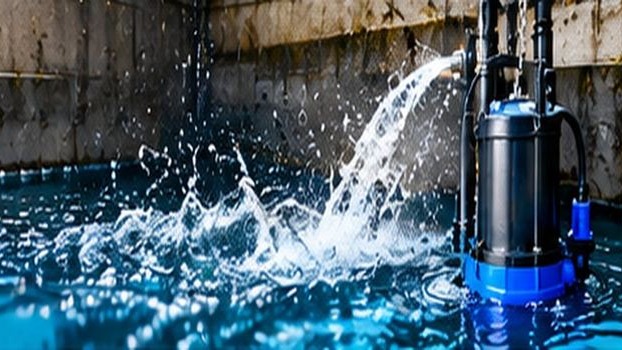
Choosing a Lift Pump: Cellar, Loaded Water and Sewage Pumps
Cellar pump, loaded water, sewage, macerator or lifting station: identify the liquid, calculate the head and choose the right lift pump.
Read the guide →
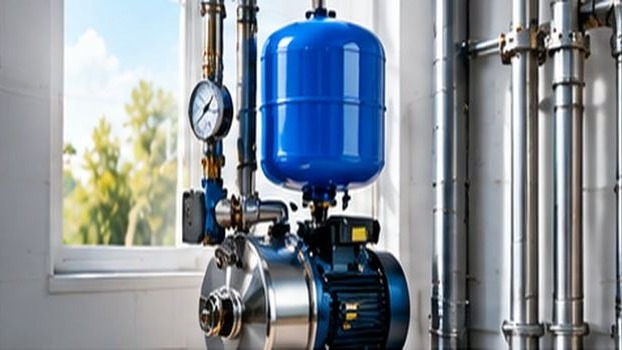
Choosing a Water Booster Set: How It Works, Flow and Pressure
How a water booster set works, fixed or variable speed, tank, 1, 2 or 3 pumps: work out flow and pressure to choose the right model.
Read the guide →
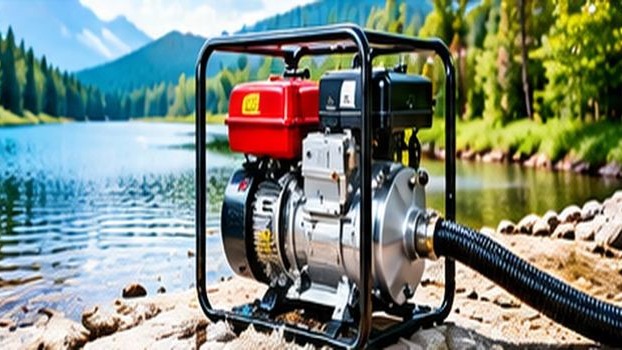
Choosing an Engine-Driven Pump: Petrol or Diesel, Flow, Head
Petrol or diesel, clear or loaded water, flow rate, head, priming and maintenance: how to choose the right engine-driven pump, step by step.
Read the guide →
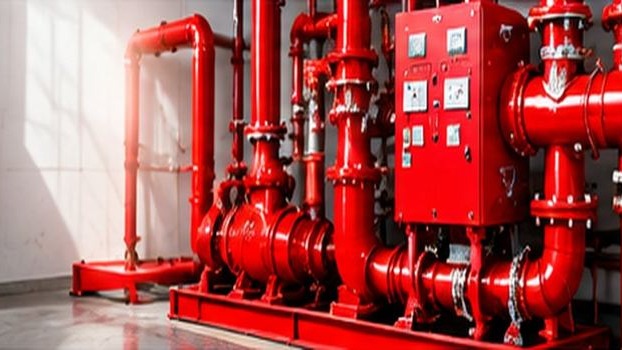
Choosing a Fire-Fighting Engine-Driven Pump: Flow, Pressure
Flow rate and pressure, couplings, water supply, portable or trailer: how to choose a fire-fighting engine-driven pump, and what to check with your insurer.
Read the guide →
Guillemin, Storz and DSP couplings: how to identify and match them
Guillemin, Storz, DSP, Keyser, cam-lock, Clamp, DIN, SMS: recognise each coupling system, check diameter and gasket, and avoid matching mistakes.
Read the guide →
Choosing a hose or pipe: suction, discharge and diameter
Suction or discharge, diameter, working pressure, hydrocarbons, food, fire fighting: the method for choosing the right hose for your pump.
Read the guide →
Treating Borehole or Well Water: Filters, UV and Softeners
Sand filter, cartridges, softener, scale inhibitor, UV: choose the right treatments for borehole or well water, starting with a water analysis.
Read the guide →
Choosing a Bladder Pressure Tank: Size, Pre-Charge and Care
Role, size, pre-charge pressure, upkeep, in-line or vertical tank: the guide to choosing and setting up a bladder pressure tank properly.
Read the guide →
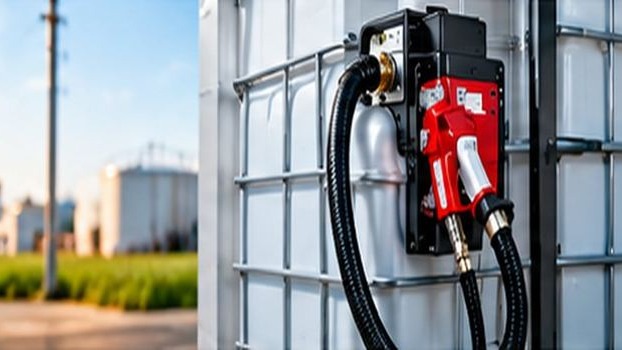
Pumping Fuel Safely: Diesel, Off-Road Diesel, Petrol, AdBlue
Diesel, off-road diesel, petrol, AdBlue or oil: choose the right pump, the right accessories and the precautions to follow to transfer fuel safely.
Read the guide →
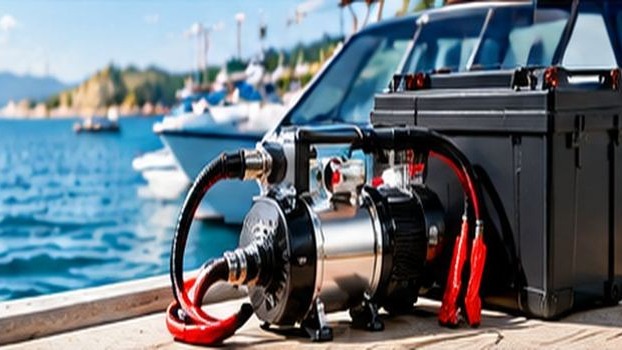
12 V or 24 V Pump: Choosing Voltage, Cable and Fuse
Choose a 12 V or 24 V pump: uses, battery voltage, current calculation, cable cross-section, fuse and the running time to respect.
Read the guide →
Choosing a Cellar Pump: Float, Floor Suction, Loaded Water
How a cellar pump works and how to choose one: clean or loaded water, float, flow, hose, troubleshooting. A 5-step guide.
Read the guide →
Choosing a Sewage Pump: Free Passage, Vortex Impeller, Grinder
Sewage pump: free passage, vortex impeller or grinder, single pump or lift station, flow, head and installation. A 5-step selection method.
Read the guide →
Choosing a Sewage Pump Station: Waste Water, One or Two Pumps
How a lifting station works and how to choose one: waste, loaded or rain water, toilets, one or two pumps, tank, lifting height.
Read the guide →